

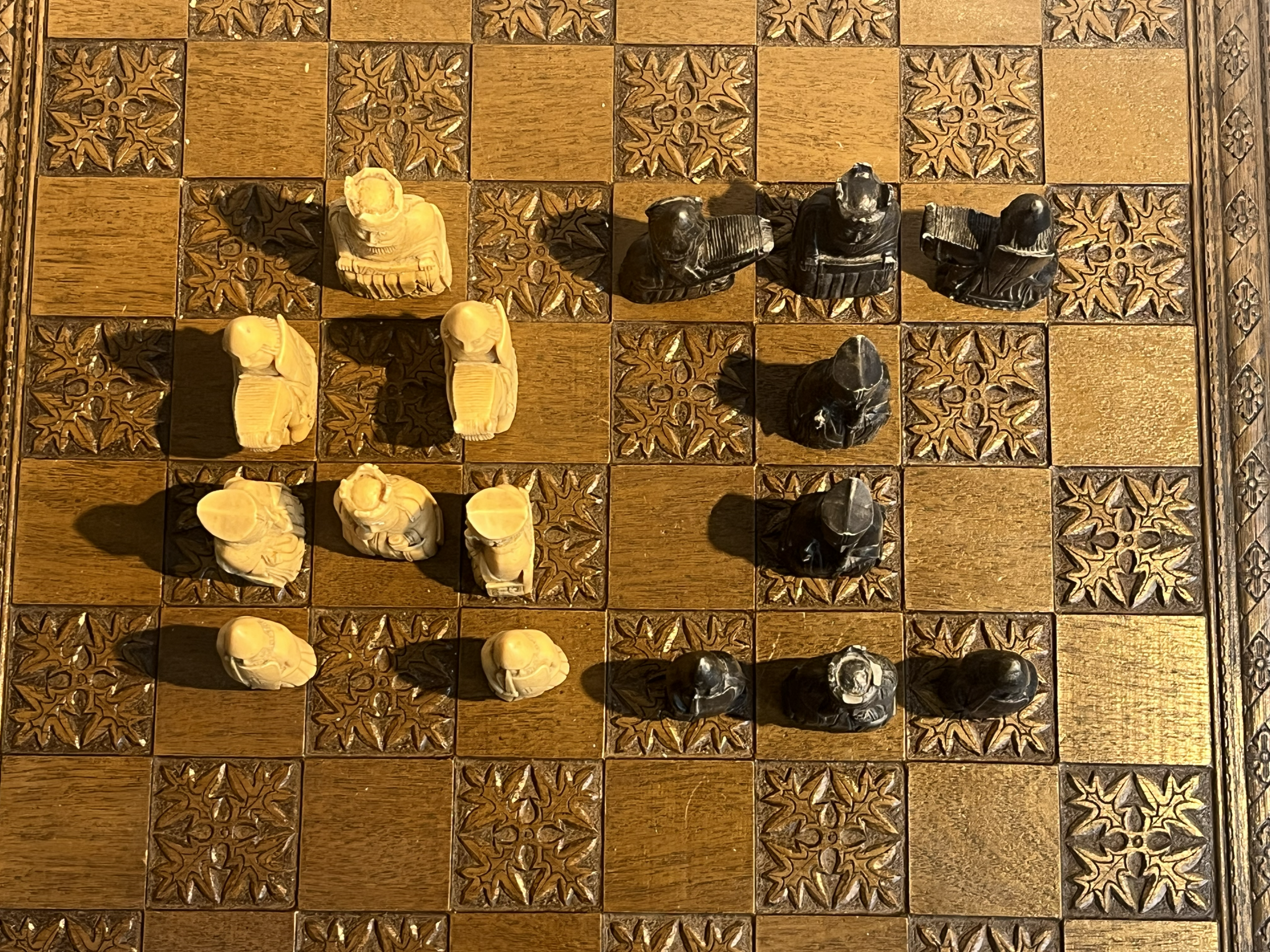
Hello and welcome to a blog all about how I link the various types of AI tools to the various pieces in a game of chess and also how our approach to learning AI is surprisingly similar to our approach to learning how to play chess.
Being a technical trainer delivering accredited ISTQB courses on AI, I meet a lot of people who are brand new to AI and. After we have had the usual hallucinating, job taking, end of the world Terminator 2 conversations they tell me how they use AI and how they think it is just the one Large Language Model (LLM) ChatGPT* (*other LLMs are available). I explain that there are many other different types of AI tools, they look suitably confused, and the following is an attempt to put into words the analogy I tend to use:
If you consider the various AI tools available as the different chess pieces, we could divide them as follows:
The Queen
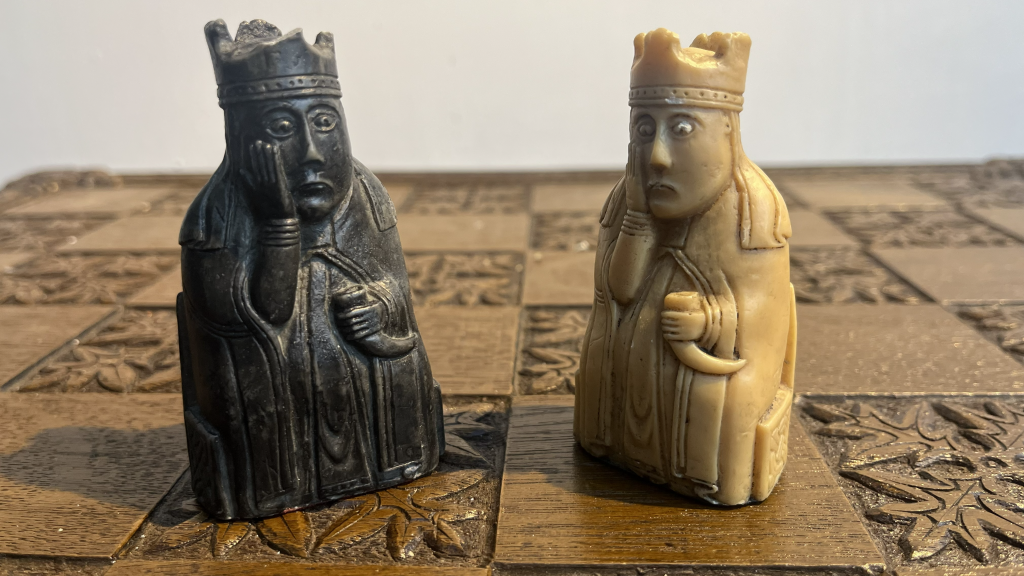
The Queen is like Generative AI
We’ll begin with the usual one that everyone thinks of when you mention AI.
On a chess board, the queen can move any number of squares horizontally and diagonally. The queen is incredibly powerful and can operate pretty much anywhere on the board.
This is very much like those general-purpose generative AI tools that everyone knows and loves. Tools like ChatGPT, Claude, Gemini and Microsoft Copilot.
These tools can explain things, summarise stuff, generate code, write emails, brainstorm ideas and use up loads of resource creating images.
I think you get the picture that they can turn their hand to pretty much anything and can handle a huge range of tasks.
Because of this, it is very tempting to use this type of AI tool for everything.
The Rook
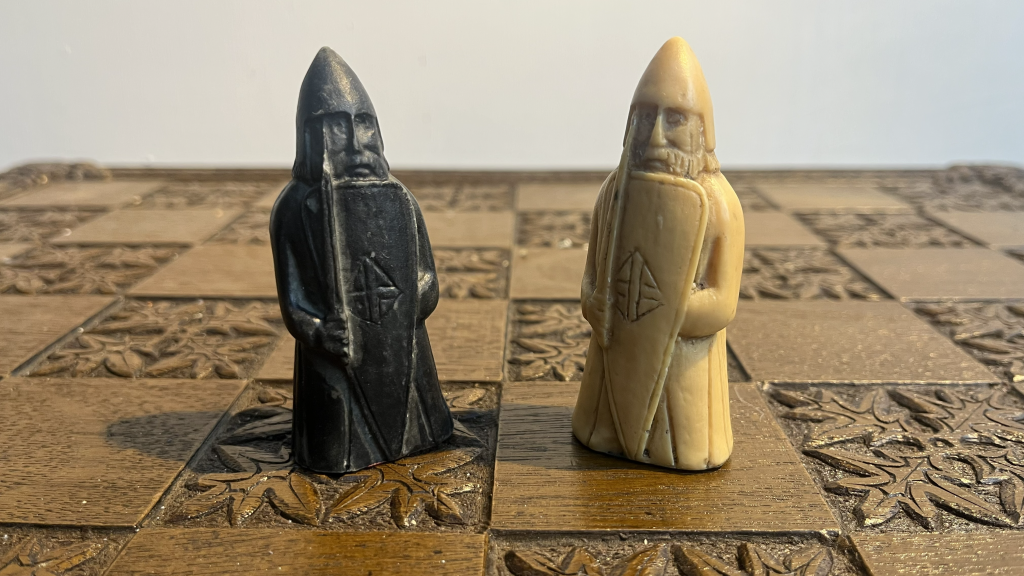
The rook moves horizontally and vertically, ploughing through the spaces in an orderly line. This movement feels very solid and dependable and makes me think of the data needed for AI.
As they move in such a thorough way, they represent the data needed by AI and the systems that provide it. Lots of it, from many different sources including databases, documents, business/technical data, knowledge bases and any other source of information.
They may not be as exciting as the queen, but the rook would sit in the background and gather data for the queen, who would be less effective without the necessary data. A powerful AI tool isn’t much use if it hasn’t got enough information to work with.
When properly positioned on the board, the rook can be incredibly powerful.
The Bishop
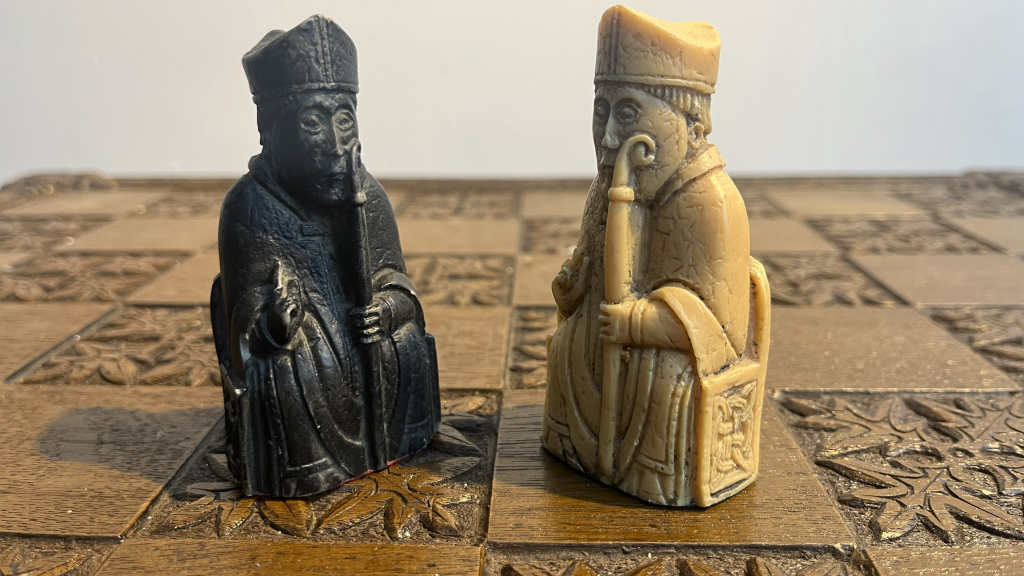
The bishops move diagonally across either the black or the white squares. They move very quickly and swiftly, albeit across technically 50% of the board.
They are focussed on one particular square colour and, when thinking of AI tools, this maps to the more sophisticated specialist AI systems. They could be fine-tuned to perform a specific type of job or task extremely well. They could be tailored for specific tasks for areas including maybe medical imaging, fraud detection and recommendation engines.
When you need an AI tool to be incredibly good at detecting, say, tumours in an X-ray or predict costly manufacturing defects, this is when you would bring in the bishop.
The Knight
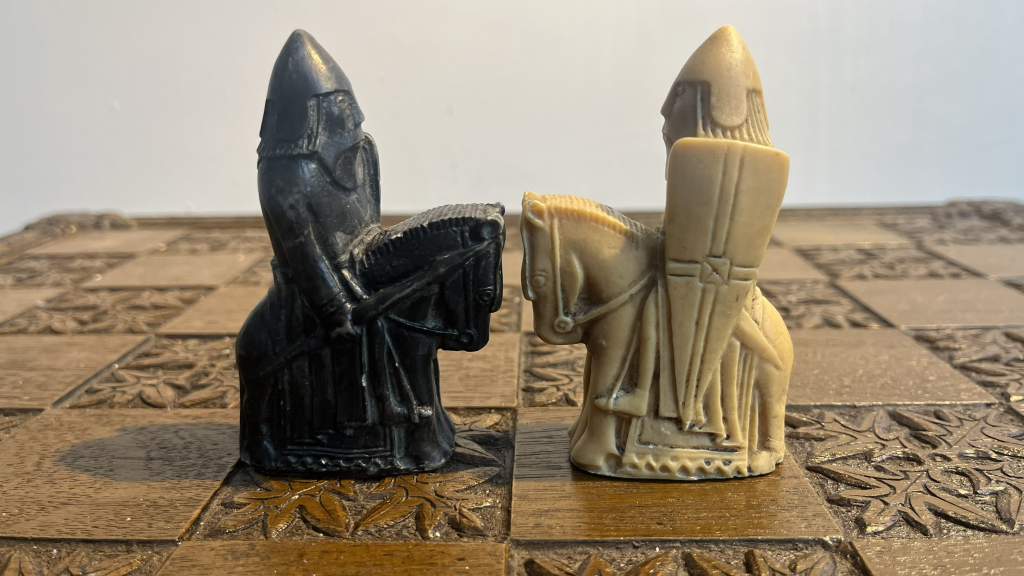
Whereas all the other pieces move predictably, the knight moves in an L-shaped way either horizontally or vertically and can also leap over other pieces to get there.
With the usual generative AI, we give it a prompt, and it returns a response but, with apiece like this, it is doing a few things at the same time and feels rather like agentic AI.
Thinking of the knight as an AI agent, we are giving the piece a goal to fulfil, and it works out how to get there. To do this, it could retrieve information, perform a few actions, utilise other tools, see the results and decide what to do next.
Out of all the pieces, the knight feels like the best fit.
The Pawn
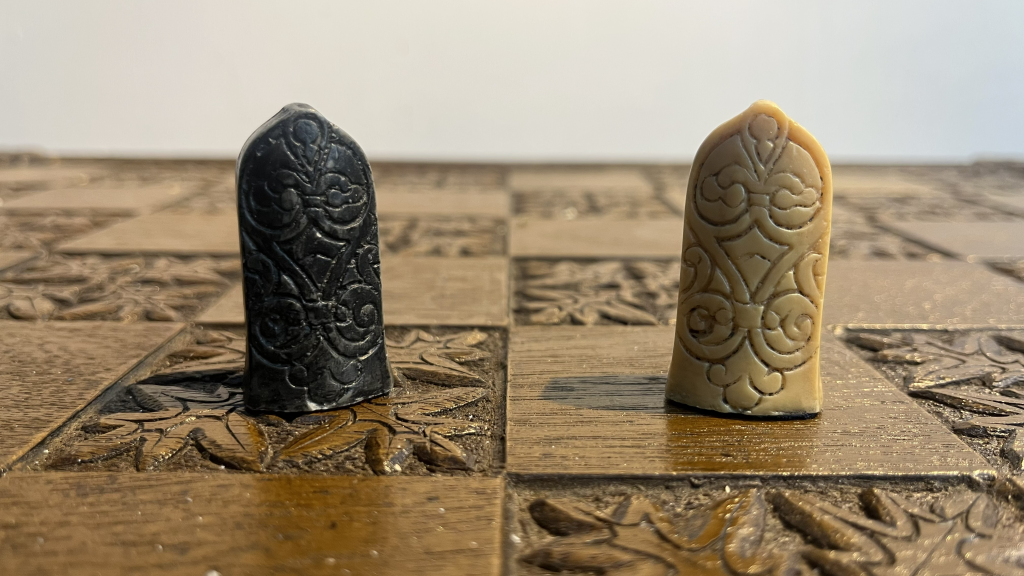
The pawns move one square forward each move (I know that technically their first move two spaces and let’s not go into en-passant).
Their movement is very limited, and they don’t have the freedom of the other pieces, but what they do they do very well.
This feels like the smaller specialist AI systems they are beginning to feature kore and more into our life.
These could represent small AI models that recognise objects, identify email spam, extract a piece of information from a document, rank some results and recognise voice commands.
None of them are particularly spectacular but the more we use them, the more important they become. Another aspect of this analogy maps to how they move up the board: and, when they reach the final square, they can be promoted to any other piece (usually another queen).
They can be underrated but turn out to be the most useful pieces on the AI chess board.
The King
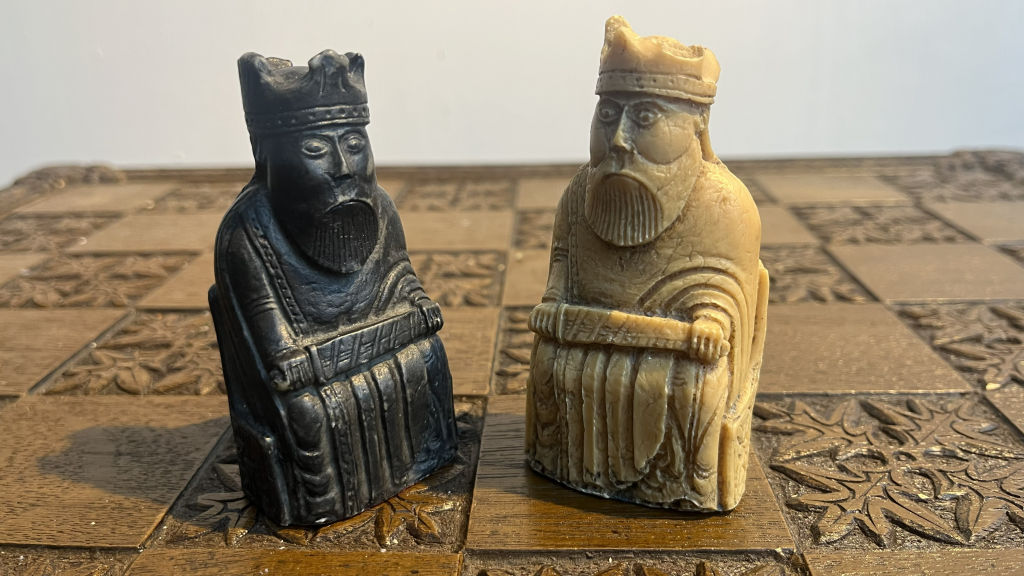
This brings us to the king which can diagonally and horizontally, but only one square at a time.
What AI tool represents the king? The answer is: none of them.
We are the king.
Because the king represents a human, “AI” in this instance doesn’t represent “Artificial Intelligence” but rather “Actual Intelligence”,
There still needs to be a human involved to review the outputs from AI, decide whether the answer makes sense and can also decide at what level AI should be involved.
In chess, all the other pieces revolve around the king and so, with AI, these tools should be human-centric and revolve around us.
The relationship between learning AI and learning chess
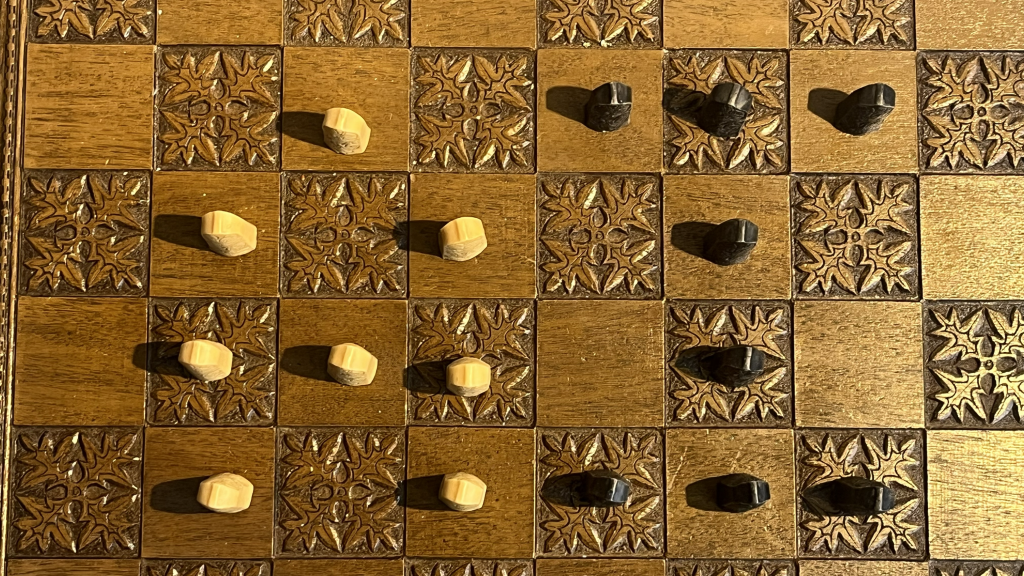
I know you are reading this thinking that this is all very good and well and everything, but how does learning new AI tools relate to how we learn chess?
Well, I’m glad you asked this as this takes me back to when I was learning how to play chess when at school. All of use were playing game after game and you could wander round the classroom and see other people’s games.
What struck me as interesting (I don’t know if you will feel the same but just read the rest and then decide) was that, fairly early on, everyone realised that the queen was the most powerful piece on the board.
Their games then involved moving a pawn to free the queen and then using the queen to attack the opponent whilst the other pieces just sat there.
This reminds me of how people who are beginners to AI tend to use just the one LLM for everything (and, when the LLM gives them a load of output, they make the sort of noises people make when watching fireworks).
Where do you go from here?
After playing chess for a while, people begin to realise there are other pieces that may not be as powerful but support the queen in many varied ways.
Eventually all the pieces become a team working towards the same objective and not relying solely on the queen to do this.
When looking at AI tools, we need to stop thinking of using ChatGPT (other LLMs are available) as our default setting and consider that there are other AI tools available that can support us in different ways.
One task may be better suited for a bishop, or a knight rather than the queen all the time.
Becoming a better player isn’t about learning how to use the queen more effectively. It’s about learning when to use each piece.
The same is true of AI.
Rather than thinking…
“How do I use the queen here?”
Perhaps we should be thinking…
“What is the best move, and which piece is best suited to make it?”
John Kurowski is an accredited ISTQB trainer delivering courses in software testing and artificial intelligence.